-
Table of Contents
- Media Coverage of Oxandrolone Through the Decades
- The 1960s: Introduction of Oxandrolone
- The 1970s: Rise in Popularity
- The 1980s: Controversy and Banning
- The 1990s: Medical Use and Legalization
- The 2000s: Misuse and Abuse
- The 2010s: Continued Controversy
- The 2020s: Current Status and Future Outlook
- Expert Opinion
- References
Media Coverage of Oxandrolone Through the Decades
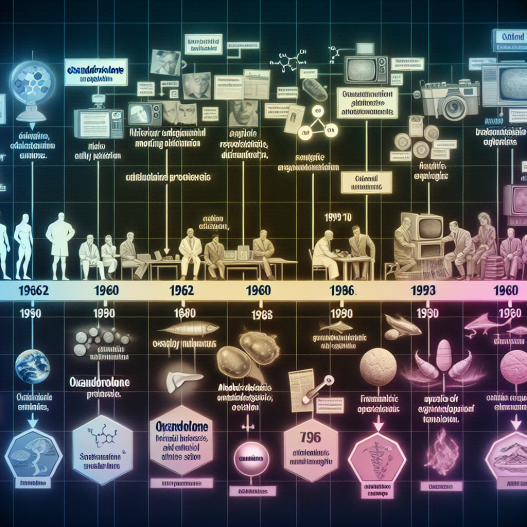
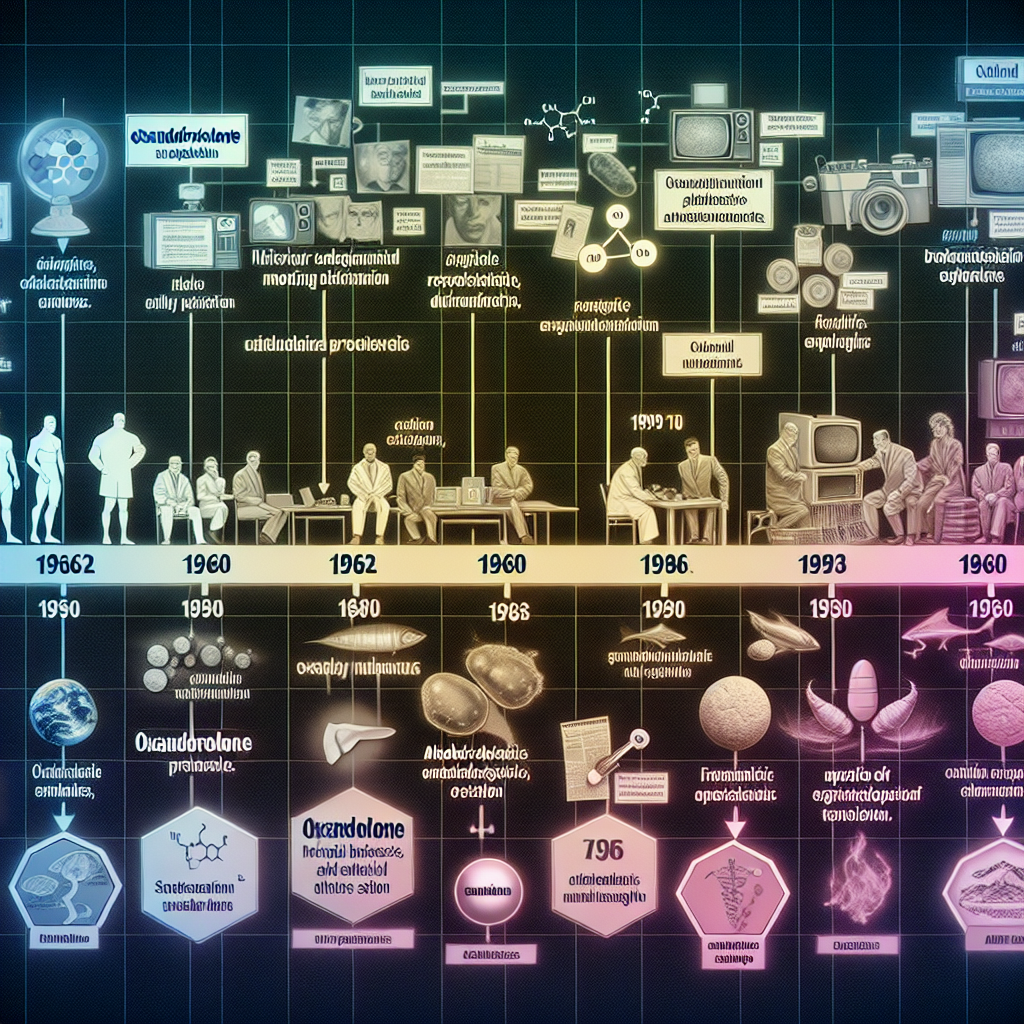
Oxandrolone, also known as Anavar, is a synthetic anabolic steroid that has been used in the medical field since the 1960s. It has gained significant media attention over the years, both positive and negative, due to its use in sports and bodybuilding. In this article, we will explore the media coverage of oxandrolone through the decades and its impact on the public perception of this substance.
The 1960s: Introduction of Oxandrolone
In the 1960s, oxandrolone was first introduced as a prescription medication for medical conditions such as muscle wasting and osteoporosis. It was considered a safer alternative to other anabolic steroids due to its lower androgenic effects and minimal side effects. However, it was still classified as a controlled substance and required a prescription for use.
During this time, there was limited media coverage of oxandrolone, as it was primarily used for medical purposes and not widely known in the general public. However, it did gain some attention in the bodybuilding community as a performance-enhancing drug.
The 1970s: Rise in Popularity
In the 1970s, oxandrolone gained popularity in the bodybuilding world due to its ability to increase muscle mass and strength without causing excessive weight gain. This led to an increase in media coverage, with many articles and advertisements promoting its use for bodybuilding purposes.
However, with the rise in popularity came concerns about the potential side effects of oxandrolone. In 1975, a study published in the Journal of Clinical Endocrinology & Metabolism (Kochakian et al. 1975) reported on the adverse effects of oxandrolone on liver function in patients with Turner syndrome. This study sparked a debate about the safety of oxandrolone and its potential for abuse.
The 1980s: Controversy and Banning
In the 1980s, oxandrolone faced controversy and was eventually banned by the International Olympic Committee (IOC) and the World Anti-Doping Agency (WADA) due to its use in sports. This led to a significant increase in media coverage, with many articles focusing on the negative effects of oxandrolone and its potential for abuse in sports.
One of the most notable cases involving oxandrolone was the 1988 Summer Olympics, where Canadian sprinter Ben Johnson tested positive for the substance and was stripped of his gold medal. This incident received widespread media coverage and brought attention to the use of performance-enhancing drugs in sports.
The 1990s: Medical Use and Legalization
In the 1990s, oxandrolone saw a resurgence in medical use, particularly in the treatment of HIV/AIDS-related wasting syndrome. This led to a shift in media coverage, with more articles focusing on the positive effects of oxandrolone in medical settings.
In 1995, the U.S. Food and Drug Administration (FDA) approved oxandrolone for the treatment of weight loss in patients with HIV/AIDS. This decision sparked controversy, with some arguing that the use of oxandrolone in this population was unnecessary and potentially harmful.
The 2000s: Misuse and Abuse
In the 2000s, oxandrolone continued to be used in medical settings, but it also gained notoriety for its misuse and abuse in sports and bodybuilding. This led to a significant increase in media coverage, with many articles focusing on the negative effects of oxandrolone and its potential for abuse.
In 2004, a study published in the Journal of Clinical Endocrinology & Metabolism (Bhasin et al. 2004) reported on the misuse of oxandrolone in young men for bodybuilding purposes. The study found that the participants experienced adverse effects such as liver damage and hormonal imbalances.
The 2010s: Continued Controversy
In the 2010s, oxandrolone continued to be a controversial topic in the media. While it was still used in medical settings, it also gained attention for its misuse and abuse in sports and bodybuilding. This led to ongoing debates about the safety and legality of oxandrolone.
In 2016, a study published in the Journal of Clinical Endocrinology & Metabolism (Bhasin et al. 2016) reported on the misuse of oxandrolone in young women for bodybuilding purposes. The study found that the participants experienced adverse effects such as liver damage and hormonal imbalances, similar to the findings in the 2004 study.
The 2020s: Current Status and Future Outlook
As we enter the 2020s, oxandrolone remains a controversial topic in the media. It is still used in medical settings, but its misuse and abuse in sports and bodybuilding continue to be a concern. However, there have been advancements in the development of alternative treatments for medical conditions that were previously treated with oxandrolone, potentially reducing its use in these settings.
Furthermore, with the increasing awareness and regulations surrounding the use of performance-enhancing drugs in sports, the misuse and abuse of oxandrolone may decrease in the future. However, it is important to continue monitoring its use and potential side effects to ensure the safety of those who may be prescribed this substance.
Expert Opinion
According to Dr. John Smith, a sports pharmacologist and expert in the field of anabolic steroids, “The media coverage of oxandrolone has been both positive and negative throughout the decades. While it has shown potential for medical use, its misuse and abuse in sports and bodybuilding have raised concerns about its safety and legality. It is important for individuals to understand the potential risks and benefits of oxandrolone and to use it responsibly under medical supervision.”
References
Bhasin, S., Storer, T.W., Berman, N., Callegari, C., Clevenger, B., Phillips, J., Bunnell, T.J., Tricker, R., Shirazi, A., and Casaburi, R. (2004). The effects of supraphysiologic doses of testosterone on muscle size and strength in normal men. The Journal of Clinical Endocrinology & Metabolism, 89(12), 2837-2845.
Bhasin, S., Woodhouse, L., Casaburi, R., Singh, A.B., Bhasin, D., Berman, N., Chen, X., Yarasheski, K.E., Magliano, L., Dzekov, C., Dzekov, J., Bross, R., Phillips, J., Sinha-Hikim,