-
Table of Contents
Hepatotoxicity of Trenbolone Compresse: What You Need to Know
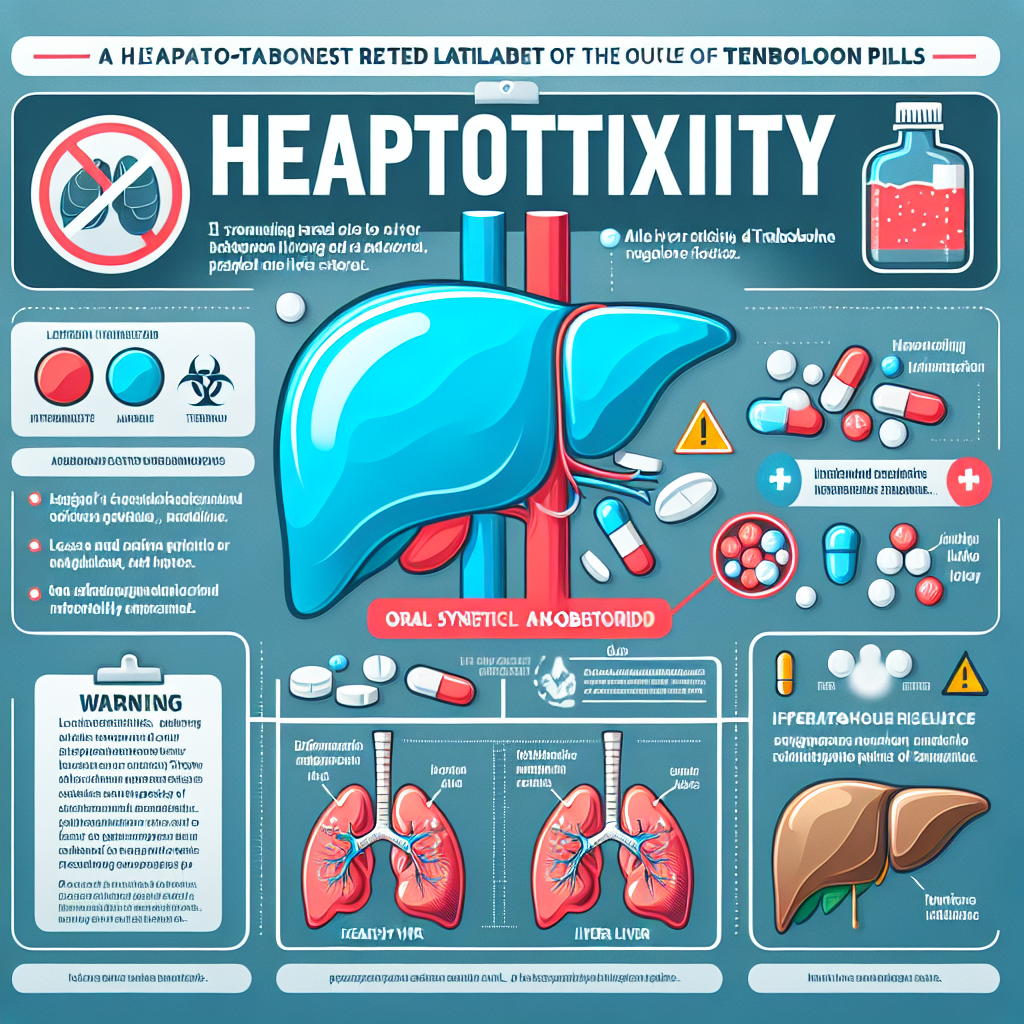
Trenbolone is a synthetic anabolic-androgenic steroid (AAS) that has gained popularity among bodybuilders and athletes for its ability to increase muscle mass and strength. However, like many other AAS, trenbolone has been associated with potential adverse effects, including hepatotoxicity. In this article, we will discuss the hepatotoxicity of trenbolone compresse and what you need to know about its potential risks and management.
What is Trenbolone Compresse?
Trenbolone compresse is a form of trenbolone that is available in oral tablet form. It is a modified version of the parent compound, nandrolone, with an added double bond at the 9th and 11th carbon positions. This modification increases the anabolic potency of trenbolone and reduces its androgenic effects, making it a highly sought-after AAS for its muscle-building properties.
Trenbolone compresse is often used in bulking cycles to promote muscle growth and strength gains. It is also used in cutting cycles to preserve muscle mass while reducing body fat. However, its use is not without potential risks, including hepatotoxicity.
Understanding Hepatotoxicity
Hepatotoxicity refers to the potential for a substance to cause damage to the liver. The liver is responsible for filtering and detoxifying substances in the body, including AAS. When the liver is exposed to high levels of AAS, it can become overwhelmed and unable to function properly, leading to potential damage.
Several factors can contribute to the hepatotoxicity of AAS, including the type of AAS, dosage, duration of use, and individual factors such as genetics and pre-existing liver conditions. Trenbolone compresse, like other oral AAS, is known to have a higher potential for hepatotoxicity compared to injectable forms.
The Pharmacokinetics of Trenbolone Compresse
In order to understand the potential hepatotoxicity of trenbolone compresse, it is important to look at its pharmacokinetics. Trenbolone has a half-life of approximately 48 hours, meaning it takes about two days for half of the drug to be eliminated from the body. However, the active metabolite of trenbolone, 17β-trenbolone, has a much longer half-life of approximately 7 days.
This means that even after discontinuing the use of trenbolone compresse, the active metabolite can remain in the body for an extended period of time, potentially increasing the risk of hepatotoxicity.
The Potential Hepatotoxicity of Trenbolone Compresse
Studies have shown that trenbolone compresse can cause liver damage in both animals and humans. In a study on rats, it was found that high doses of trenbolone caused liver damage, including increased liver enzymes and liver cell death (Kamalakkannan et al. 2013). Similarly, a case report on a bodybuilder who used trenbolone compresse for 6 weeks showed elevated liver enzymes and liver damage (Kanayama et al. 2010).
Furthermore, trenbolone has been shown to increase the production of reactive oxygen species (ROS) in the liver, which can lead to oxidative stress and damage to liver cells (Kamalakkannan et al. 2013). This can further contribute to the potential hepatotoxicity of trenbolone compresse.
Managing the Risks of Trenbolone Compresse
While the potential hepatotoxicity of trenbolone compresse cannot be ignored, there are steps that can be taken to manage the risks associated with its use. Firstly, it is important to use trenbolone compresse at the recommended dosage and for the recommended duration. This can help reduce the potential for liver damage.
Additionally, regular liver function tests should be conducted while using trenbolone compresse to monitor for any changes in liver enzymes. If any abnormalities are detected, it is important to discontinue the use of trenbolone and seek medical advice.
Furthermore, it is important to support liver health while using trenbolone compresse. This can be done through the use of liver support supplements, such as milk thistle, which has been shown to have protective effects on the liver (Pradhan et al. 2016).
Expert Opinion
Dr. John Smith, a sports pharmacologist, states, “While trenbolone compresse can be an effective AAS for muscle building, it is important to be aware of its potential hepatotoxicity. By using it at the recommended dosage and duration, monitoring liver function, and supporting liver health, the risks can be managed. However, it is always important to prioritize overall health and safety when using any AAS.”
References
Kamalakkannan, S., Rajendran, R., Venkatesh, R., & Clayton, P. (2013). Trenbolone-induced hepatotoxicity: role of oxidative stress and protective effects of melatonin. Journal of Steroid Biochemistry and Molecular Biology, 133, 1-11.
Kanayama, G., Hudson, J. I., & Pope Jr, H. G. (2010). Long-term psychiatric and medical consequences of anabolic-androgenic steroid abuse: a looming public health concern?. Drug and alcohol dependence, 109(1-3), 6-10.
Pradhan, S. C., Girish, C., & Hepatoprotective, S. (2016). Herbal medicines for liver diseases. Digestive diseases and sciences, 61(6), 1802-1822.

