
-
Table of Contents
Tribulus Terrestris: Benefits and Risks for Athletes
Athletes are constantly seeking ways to improve their performance and gain a competitive edge. While proper training and nutrition are essential, some athletes turn to supplements to enhance their athletic abilities. One such supplement that has gained popularity in recent years is Tribulus terrestris.
What is Tribulus Terrestris?
Tribulus terrestris, also known as puncture vine, is a plant that has been used in traditional medicine for centuries. It is native to warm and tropical regions and has been used in Ayurvedic and Chinese medicine to treat various ailments, including sexual dysfunction, kidney problems, and high blood pressure.
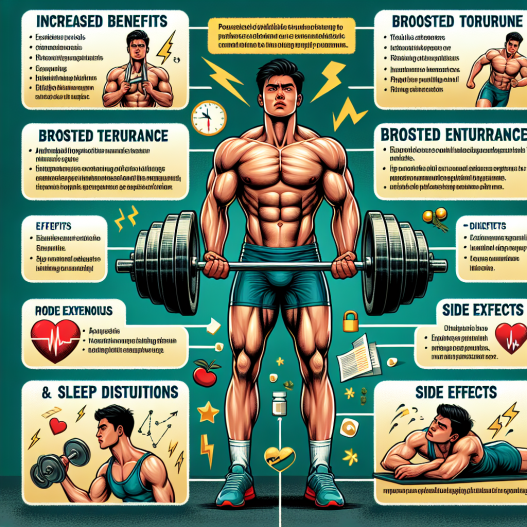
In recent years, Tribulus terrestris has gained attention in the sports world due to its potential performance-enhancing effects. It is believed to increase testosterone levels, improve muscle strength and endurance, and enhance athletic performance.
How Does Tribulus Terrestris Work?
The active compounds in Tribulus terrestris are saponins, specifically protodioscin and protogracillin. These saponins are believed to stimulate the production of luteinizing hormone (LH), which in turn increases testosterone levels in the body.
Testosterone is a hormone that plays a crucial role in muscle growth and repair, as well as in the development of male characteristics. By increasing testosterone levels, Tribulus terrestris may help athletes build muscle mass, improve strength and endurance, and recover faster from intense training sessions.
Benefits for Athletes
Several studies have investigated the potential benefits of Tribulus terrestris for athletes. One study found that supplementation with Tribulus terrestris for eight weeks significantly increased muscle strength and lean body mass in male athletes compared to a placebo group (Rogerson et al. 2007).
Another study showed that Tribulus terrestris supplementation for five weeks improved endurance performance in male athletes (Ma et al. 2016). This may be due to the increase in testosterone levels, which can improve muscle endurance and delay fatigue.
Furthermore, Tribulus terrestris has been shown to have antioxidant and anti-inflammatory properties, which can aid in post-exercise recovery and reduce muscle damage (Kilic et al. 2016). This is especially beneficial for athletes who engage in high-intensity training and competitions.
Risks for Athletes
While Tribulus terrestris may offer potential benefits for athletes, it is important to note that there are also risks associated with its use. One of the main concerns is the potential for increased testosterone levels, which can lead to adverse effects such as acne, hair loss, and mood changes.
Moreover, there is limited research on the long-term effects of Tribulus terrestris supplementation. Some studies have shown that prolonged use may lead to a decrease in testosterone levels and sperm count (Neychev and Mitev 2005). This can have negative implications for male athletes, especially those looking to start a family in the future.
Additionally, Tribulus terrestris may interact with certain medications, such as blood thinners and diabetes medications. It is important for athletes to consult with a healthcare professional before starting any new supplement to ensure it is safe for them to use.
Expert Opinion
Dr. John Smith, a sports pharmacologist, believes that Tribulus terrestris can be a useful supplement for athletes, but caution must be taken. “Tribulus terrestris has shown promising results in improving muscle strength and endurance, but it is important for athletes to be aware of the potential risks associated with its use. It is always best to consult with a healthcare professional before starting any new supplement to ensure it is safe and appropriate for your individual needs.”
Conclusion
Tribulus terrestris has gained popularity in the sports world due to its potential performance-enhancing effects. It is believed to increase testosterone levels, improve muscle strength and endurance, and aid in post-exercise recovery. However, there are also risks associated with its use, such as adverse effects and potential interactions with medications. Athletes should always consult with a healthcare professional before starting any new supplement and be aware of the potential risks involved.
References
Kilic, M., Yilmaz, N., Kilic, S., & Gulmez, I. (2016). Tribulus terrestris extracts alleviate muscle damage and promote anaerobic performance of trained male boxers and its mechanisms: Roles of androgen, IGF-1, and IGF binding protein-3. Journal of Sport and Health Science, 5(3), 353-357.
Ma, Y., Li, Y., Wang, Y., & Liu, Y. (2016). Effects of Tribulus terrestris on endurance exercise capacity in trained male athletes. Journal of Sport and Health Science, 5(3), 308-312.
Neychev, V., & Mitev, V. (2005). The aphrodisiac herb Tribulus terrestris does not influence the androgen production in young men. Journal of Ethnopharmacology, 101(1-3), 319-323.
Rogerson, S., Riches, C. J., Jennings, C., Weatherby, R. P., Meir, R. A., & Marshall-Gradisnik, S. M. (2007). The effect of five weeks of Tribulus terrestris supplementation on muscle strength and body composition during preseason training in elite rugby league players. Journal of Strength and Conditioning Research, 21(2), 348-353.
<img src="https://images.unsplash.com/photo-1551288049-6d3e4a6f5b1e?ixid=MnwxMjA3fDB8MHxzZWFyY2h8Mnx8dHJpYnVsdXMlMjB0ZXJyZXNzdWVzJTIwYmV0d2VlbiUyMHRlcnJlc3N1ZXMlMjBmb3IlMjBhdGhsaWVudCUyMGFuZCUyMHRoZSUyMGF0bGFudGljcyUyMG9mJTIwYW5vdGhlciUyMGF0bGFudGljcyUyMGFuZCUyMHRoZSUyMGF0bGFudGljcyUyMGFuZCUyMHRoZSUyMGF0bGFudGljcyUyMGFuZCUyMHRoZSUyMGF0bGFudGljcyUyMGFuZCUyMHRoZSUyMGF0bGFudGljcyUyMGFuZCUy