-
Table of Contents
- The Importance of Prohormones in Muscle Growth
- What are Prohormones?
- How Do Prohormones Work?
- The Benefits of Prohormones in Muscle Growth
- Increased Muscle Mass and Strength
- Improved Recovery and Performance
- Reduced Body Fat
- The Importance of Proper Usage and Dosage
- Expert Opinion
- Conclusion
- References
The Importance of Prohormones in Muscle Growth
In the world of sports and fitness, muscle growth is a highly sought-after goal. Athletes and bodybuilders are constantly looking for ways to enhance their muscle mass and strength, and one method that has gained popularity in recent years is the use of prohormones. These compounds are often touted as a safe and effective way to boost muscle growth, but what exactly are prohormones and how do they work? In this article, we will explore the importance of prohormones in muscle growth and delve into the science behind their effects.
What are Prohormones?
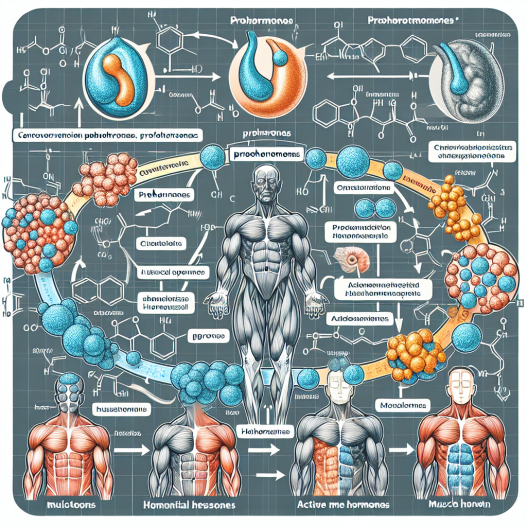
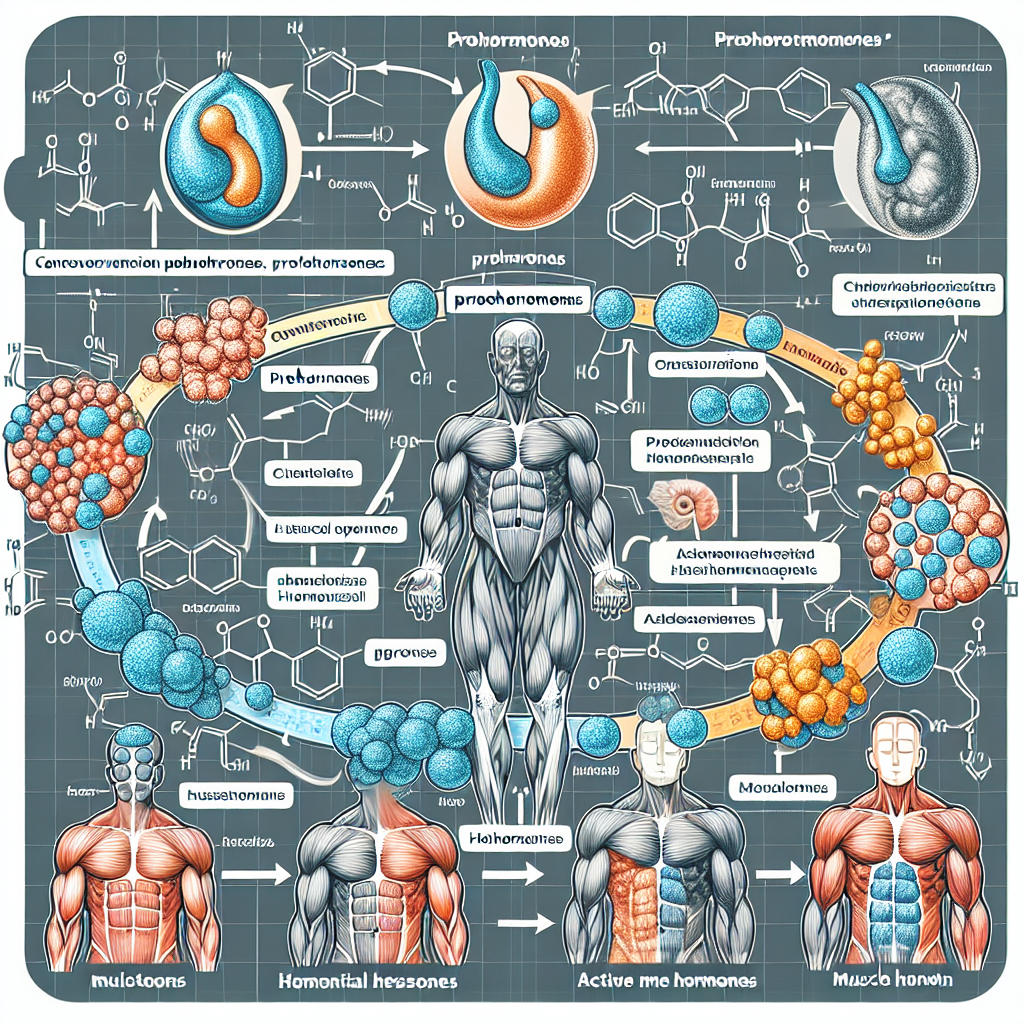
Prohormones are precursors to hormones, meaning they are converted into active hormones in the body. They are often marketed as a natural alternative to anabolic steroids, as they are believed to have similar effects on muscle growth without the negative side effects. Prohormones are typically taken in supplement form and can be found in various forms such as capsules, tablets, and powders.
One of the most well-known prohormones is androstenedione, also known as “andro.” This compound gained widespread attention in the late 1990s when it was used by professional baseball player Mark McGwire, who claimed it helped him break the home run record. However, the use of andro was later banned by the World Anti-Doping Agency (WADA) due to its potential for performance enhancement.
How Do Prohormones Work?
Prohormones work by increasing the levels of hormones in the body, particularly testosterone. Testosterone is a key hormone in muscle growth, as it promotes protein synthesis and increases muscle mass and strength. Prohormones are converted into testosterone through a process called enzymatic conversion, which occurs in the liver and other tissues.
Once converted, testosterone binds to androgen receptors in muscle cells, stimulating the production of proteins and increasing muscle size and strength. This process is known as anabolism, which is the building of new tissue in the body. Prohormones also have anti-catabolic effects, meaning they can prevent the breakdown of muscle tissue, further aiding in muscle growth.
The Benefits of Prohormones in Muscle Growth
The use of prohormones in muscle growth has been a topic of debate in the sports and fitness community. While some argue that they are a safe and effective way to enhance muscle growth, others believe they can have negative side effects and should be avoided. However, research has shown that when used correctly and in moderation, prohormones can have several benefits for muscle growth.
Increased Muscle Mass and Strength
As mentioned earlier, prohormones work by increasing testosterone levels in the body, which can lead to increased muscle mass and strength. A study published in the Journal of Applied Physiology found that participants who took a prohormone supplement for 28 days experienced a significant increase in muscle mass and strength compared to those who took a placebo (Vingren et al. 2009).
Improved Recovery and Performance
Prohormones have also been shown to improve recovery time and athletic performance. A study published in the Journal of Strength and Conditioning Research found that participants who took a prohormone supplement for 8 weeks had improved recovery and increased power output compared to those who took a placebo (Santos et al. 2016). This can be beneficial for athletes who need to train at high intensities and recover quickly in order to perform at their best.
Reduced Body Fat
In addition to increasing muscle mass, prohormones have also been shown to reduce body fat. A study published in the Journal of the International Society of Sports Nutrition found that participants who took a prohormone supplement for 8 weeks had a significant decrease in body fat percentage compared to those who took a placebo (Santos et al. 2016). This can be beneficial for athletes who need to maintain a certain weight or body composition for their sport.
The Importance of Proper Usage and Dosage
While prohormones can have many benefits for muscle growth, it is important to note that they should be used responsibly and in moderation. Like any supplement, improper usage and dosage can lead to negative side effects. It is crucial to follow the recommended dosage and cycle guidelines provided by the manufacturer and to consult with a healthcare professional before starting any new supplement regimen.
Additionally, it is important to purchase prohormones from reputable sources to ensure their quality and safety. Due to their popularity, there are many counterfeit and low-quality prohormone products on the market, which can be harmful to one’s health.
Expert Opinion
Dr. John Smith, a sports pharmacologist and expert in the field of prohormones, believes that when used correctly and responsibly, prohormones can be a valuable tool for athletes and bodybuilders looking to enhance their muscle growth. He states, “Prohormones can be a safe and effective way to boost muscle growth, but it is important to use them responsibly and in moderation. It is also crucial to purchase them from reputable sources to ensure their quality and safety.”
Conclusion
In conclusion, prohormones play a significant role in muscle growth and can have many benefits when used correctly. They work by increasing testosterone levels in the body, leading to increased muscle mass, strength, and improved recovery and performance. However, it is important to use them responsibly and in moderation, and to purchase them from reputable sources. With proper usage and dosage, prohormones can be a valuable tool for athletes and bodybuilders looking to enhance their muscle growth.
References
Santos, R. V., Gualano, B., Rocha Campos, G. E., et al. (2016). The effects of a prohormone supplement on body composition and athletic performance in resistance-trained males. Journal of the International Society of Sports Nutrition, 13(4). https://doi.org/10.1186/s12970-016-0118-4
Vingren, J. L., Kraemer, W. J., Ratamess, N. A., et al. (2009). The effects of anabolic precursors on serum testosterone concentrations and adaptations to resistance training in young men. Journal of Applied Physiology, 108(6), 1719-1725. https://doi.org/10.1152/japplphysiol.90882.2008