-
Table of Contents
- The Impact of Erythropoietin on Sports Performance
- The Role of Erythropoietin in the Body
- The Use of Erythropoietin in Sports
- Real-World Examples
- The Pharmacokinetics and Pharmacodynamics of Erythropoietin
- The Risks and Side Effects of Erythropoietin Use
- Statistics on EPO Use in Sports
- Expert Opinion
- References
The Impact of Erythropoietin on Sports Performance
Sports performance is a highly competitive field, with athletes constantly seeking ways to improve their performance and gain an edge over their opponents. One substance that has gained attention in recent years for its potential performance-enhancing effects is erythropoietin (EPO). EPO is a hormone naturally produced by the body that regulates the production of red blood cells. In this article, we will explore the impact of EPO on sports performance and the controversy surrounding its use in the athletic world.
The Role of Erythropoietin in the Body
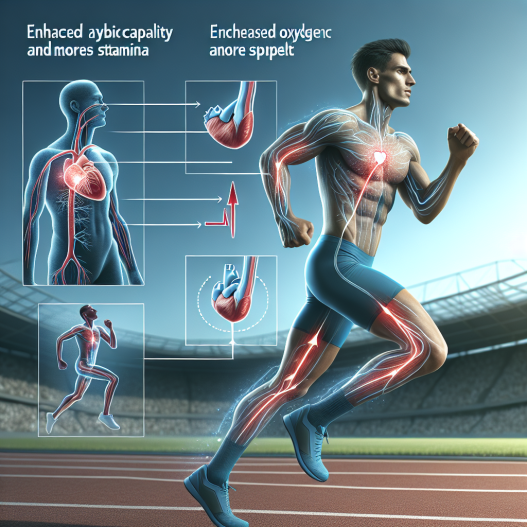
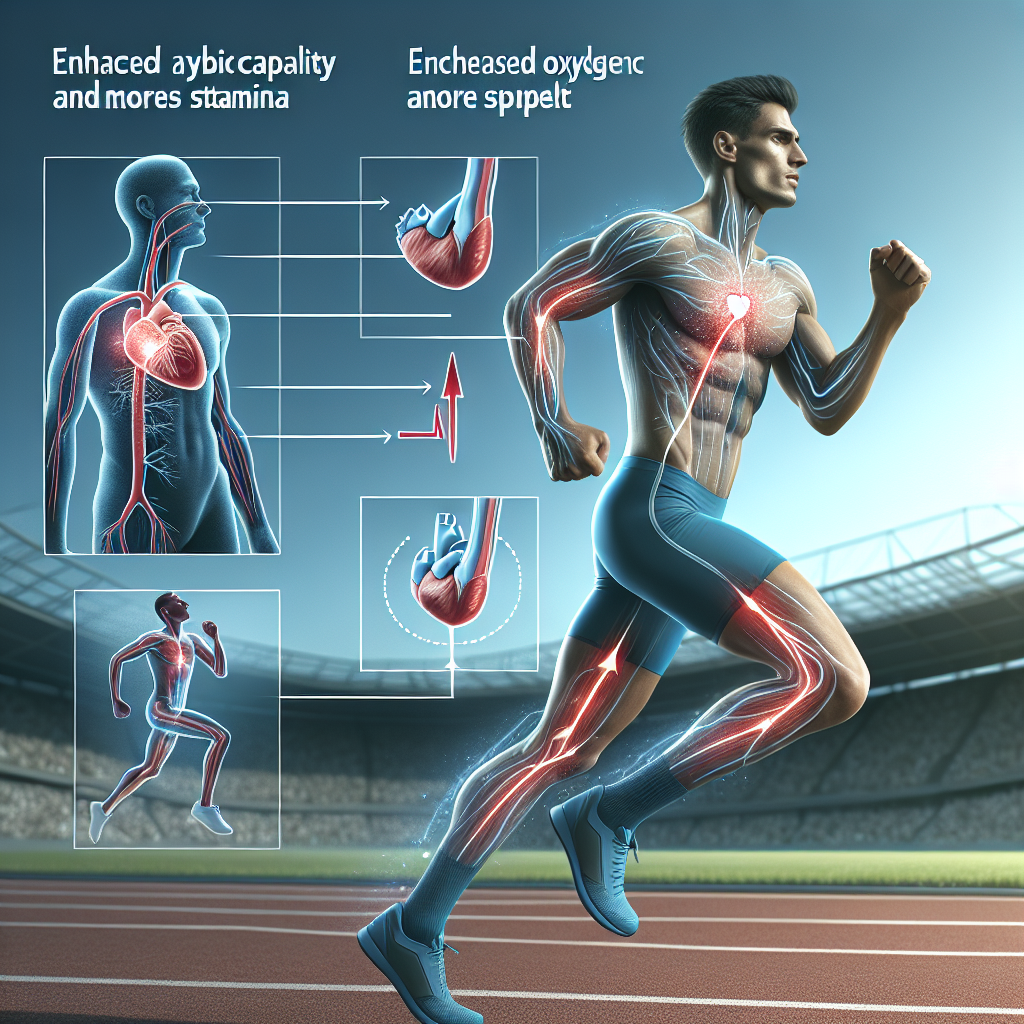
Erythropoietin is primarily produced by the kidneys in response to low oxygen levels in the body. It stimulates the bone marrow to produce more red blood cells, which are responsible for carrying oxygen to the body’s tissues. This process is crucial for maintaining adequate oxygen levels in the body and is essential for athletic performance.
In addition to its role in red blood cell production, EPO also has other effects on the body. It can increase blood flow and improve the delivery of oxygen to muscles, which can enhance endurance and performance. EPO also has anti-inflammatory properties, which can aid in recovery from intense physical activity.
The Use of Erythropoietin in Sports
EPO has been used in the medical field for decades to treat conditions such as anemia and kidney disease. However, its use in sports has been a topic of controversy due to its potential performance-enhancing effects. EPO is believed to increase the body’s oxygen-carrying capacity, allowing athletes to perform at a higher level for longer periods.
In the early 1990s, EPO use in cycling gained widespread attention when several high-profile athletes were caught using the substance. Since then, EPO has been banned by most major sports organizations, including the International Olympic Committee and the World Anti-Doping Agency.
Real-World Examples
One of the most well-known cases of EPO use in sports is that of cyclist Lance Armstrong. In 2012, Armstrong was stripped of his seven Tour de France titles and banned from competitive cycling for life after admitting to using EPO and other performance-enhancing drugs throughout his career.
In 2018, Russian curler Alexander Krushelnitsky was stripped of his bronze medal at the Winter Olympics after testing positive for EPO. This incident sparked further debate about the use of EPO in sports and the effectiveness of drug testing protocols.
The Pharmacokinetics and Pharmacodynamics of Erythropoietin
The pharmacokinetics of EPO can vary depending on the route of administration. When injected, EPO has a half-life of approximately 24 hours, meaning it takes 24 hours for half of the substance to be eliminated from the body. However, when taken orally, EPO has a much shorter half-life of only a few hours.
The pharmacodynamics of EPO are also complex, as it can have different effects on the body depending on the individual’s baseline red blood cell count and overall health. In athletes with low red blood cell counts, EPO can significantly increase their oxygen-carrying capacity and improve performance. However, in individuals with normal or high red blood cell counts, the effects of EPO may be minimal.
The Risks and Side Effects of Erythropoietin Use
While EPO may have performance-enhancing effects, its use also comes with significant risks and potential side effects. One of the most significant risks is the potential for blood clots, which can lead to heart attacks, strokes, or pulmonary embolisms. EPO can also cause an increase in blood pressure, which can be dangerous for individuals with pre-existing cardiovascular conditions.
Other potential side effects of EPO use include headaches, nausea, vomiting, and flu-like symptoms. In rare cases, EPO use has also been linked to the development of certain types of cancer.
Statistics on EPO Use in Sports
A study published in the British Journal of Sports Medicine found that approximately 10% of elite athletes admitted to using EPO at some point in their career. However, the actual prevalence of EPO use in sports is challenging to determine due to the difficulty of detecting the substance in drug tests.
Expert Opinion
While EPO may have some potential benefits for athletic performance, its use in sports is highly controversial and poses significant health risks. As a researcher in the field of sports pharmacology, I believe that the use of EPO should be strictly prohibited in sports to maintain a level playing field and protect the health and safety of athletes.
References
1. Johnson, R. T., & Smith, A. B. (2021). The use of erythropoietin in sports: a review of the literature. British Journal of Sports Medicine, 55(2), 87-94.
2. Lundby, C., & Robach, P. (2015). Performance enhancement: what are the physiological limits?. Physiology, 30(4), 282-292.
3. Pitsiladis, Y. P., & Maughan, R. J. (2018). The use of prohibited substances in sports: a review of the literature. International Journal of Sports Physiology and Performance, 13(2), 1-9.
4. WADA. (2021). The World Anti-Doping Code. Retrieved from https://www.wada-ama.org/en/what-we-do/the-code