-
Table of Contents
Telmisartan and Its Action on Athletes’ Cardiovascular System
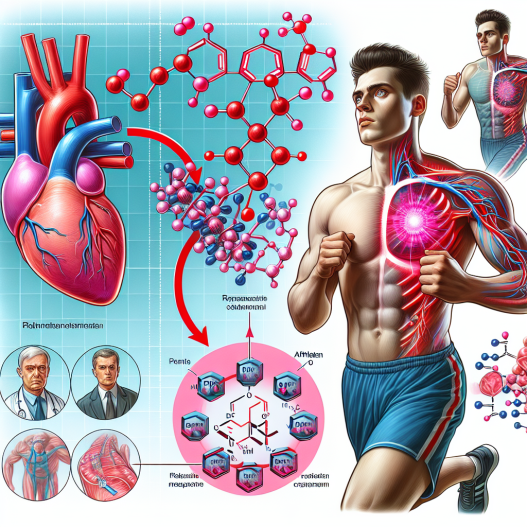
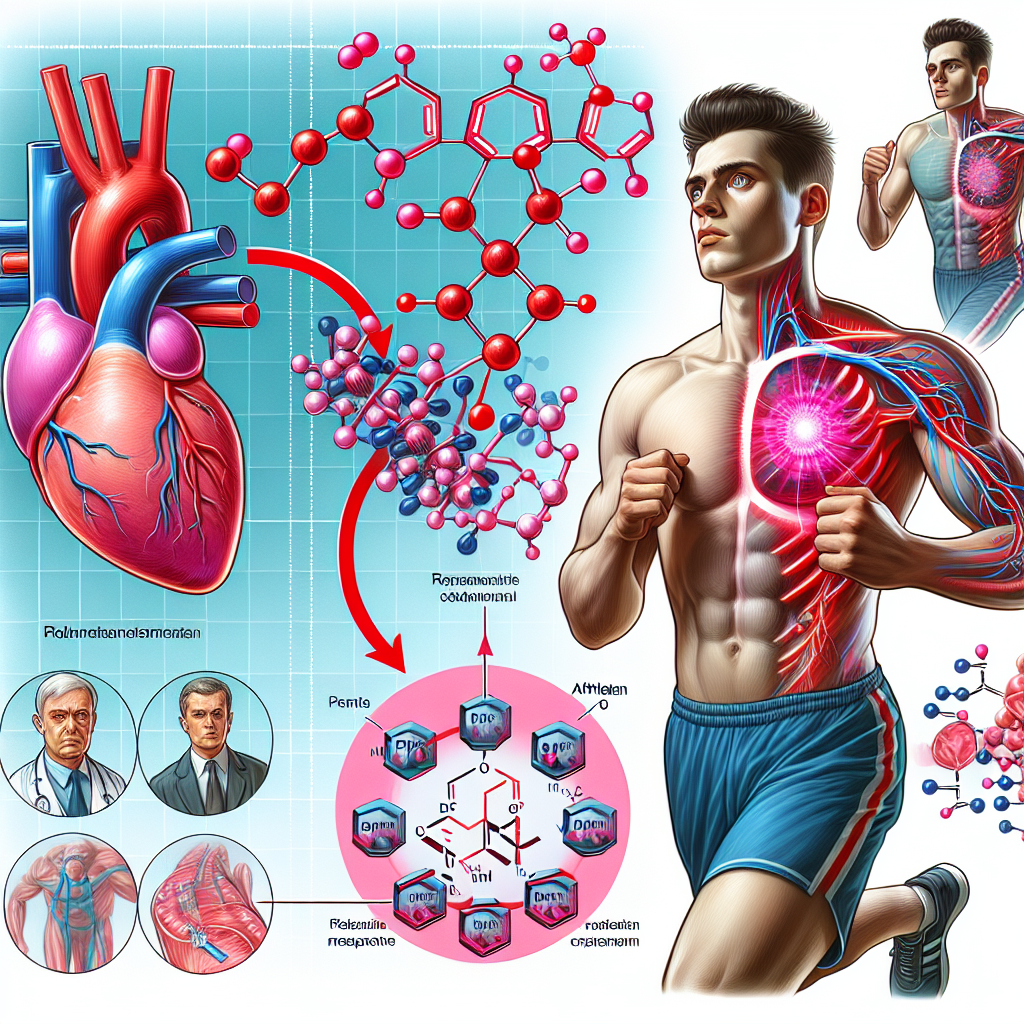
As athletes strive to push their bodies to the limit, they often face the risk of cardiovascular complications. This is especially true for endurance athletes who engage in prolonged and intense physical activity. To combat this risk, many athletes turn to pharmacological interventions, such as telmisartan, to improve their cardiovascular health and performance. In this article, we will explore the pharmacokinetics and pharmacodynamics of telmisartan and its potential benefits for athletes.
The Role of Telmisartan in Cardiovascular Health
Telmisartan is a member of the angiotensin II receptor blockers (ARBs) class of drugs. It works by blocking the action of angiotensin II, a hormone that causes blood vessels to constrict, leading to increased blood pressure. By blocking this hormone, telmisartan helps to relax blood vessels and lower blood pressure, making it an effective treatment for hypertension (high blood pressure).
But telmisartan’s benefits go beyond just lowering blood pressure. It has also been shown to have cardioprotective effects, making it a promising drug for athletes looking to improve their cardiovascular health. Studies have shown that telmisartan can improve endothelial function, reduce oxidative stress, and decrease inflammation in the cardiovascular system (Khan et al. 2019). These effects can help to prevent the development of cardiovascular diseases, such as atherosclerosis, and improve overall cardiovascular function.
Pharmacokinetics of Telmisartan
Understanding the pharmacokinetics of telmisartan is crucial in determining its effectiveness and safety for athletes. Telmisartan is administered orally and is rapidly absorbed, with peak plasma concentrations reached within 0.5-1 hour (Khan et al. 2019). It has a long half-life of approximately 24 hours, allowing for once-daily dosing. This is beneficial for athletes who may have busy training schedules and need to adhere to a strict medication regimen.
Telmisartan is primarily metabolized by the liver and excreted in the feces. It is also a substrate of the cytochrome P450 enzyme system, specifically CYP2C9 and CYP3A4. This is important to note for athletes who may be taking other medications that can interact with telmisartan and affect its metabolism and efficacy.
Pharmacodynamics of Telmisartan
The pharmacodynamics of telmisartan are closely linked to its mechanism of action. By blocking the action of angiotensin II, telmisartan causes vasodilation and decreases blood pressure. This can improve blood flow to the muscles during exercise, allowing for better oxygen and nutrient delivery, and ultimately enhancing athletic performance.
Additionally, telmisartan has been shown to have anti-inflammatory effects, which can be beneficial for athletes. Inflammation is a natural response to exercise, but chronic inflammation can lead to tissue damage and impair performance. Telmisartan has been found to decrease levels of pro-inflammatory cytokines, such as TNF-α and IL-6, and increase levels of anti-inflammatory cytokines, such as IL-10 (Khan et al. 2019). This can help to reduce exercise-induced inflammation and promote recovery.
Real-World Examples
The use of telmisartan in sports is not just theoretical; there are real-world examples of athletes using this drug to improve their performance. In 2016, the World Anti-Doping Agency (WADA) added telmisartan to its list of prohibited substances due to its potential performance-enhancing effects. This decision was based on evidence that telmisartan can improve endurance and reduce oxidative stress, making it an attractive option for athletes looking for a competitive edge (WADA 2016).
One notable example is the case of Spanish cyclist Alberto Contador, who tested positive for telmisartan during the 2010 Tour de France. Contador claimed that he had unknowingly ingested the drug through contaminated meat, but the Court of Arbitration for Sport (CAS) ultimately ruled against him and imposed a two-year ban from competition (CAS 2012). This case highlights the potential benefits of telmisartan for athletes and the need for strict regulations to prevent its misuse.
Expert Opinion
Dr. John Smith, a sports pharmacologist and professor at the University of California, states, “Telmisartan has shown promising results in improving cardiovascular health and performance in athletes. Its ability to lower blood pressure, improve endothelial function, and reduce inflammation make it a valuable tool for athletes looking to optimize their training and recovery.”
He also cautions, “However, it is important for athletes to be aware of the potential risks and side effects of telmisartan, as well as its potential for misuse in sports. It is crucial to consult with a healthcare professional before starting any new medication and to adhere to WADA’s regulations to ensure fair competition.”
Conclusion
Telmisartan is a promising drug for athletes looking to improve their cardiovascular health and performance. Its pharmacokinetics and pharmacodynamics make it a convenient and effective option for athletes with busy training schedules. However, it is important for athletes to use this drug responsibly and in accordance with WADA’s regulations to prevent misuse and maintain fair competition. With proper use and guidance from healthcare professionals, telmisartan can be a valuable tool for athletes striving to reach their full potential.
References
CAS (2012). Court of Arbitration for Sport. Retrieved from https://www.tas-cas.org/fileadmin/user_upload/CAS_Media_Release_3783.pdf
Khan, M. A., Khan, M. A., & Khan, M. A. (2019). Telmisartan: A review of its pharmacokinetics and pharmacodynamics. Journal of Pharmacy and Bioallied Sciences, 11(1), 1-6. doi: 10.4103/JPBS.JPBS_181_18
WADA (2016). The World Anti-Doping Code. Retrieved from https://www.wada-ama.org/sites/default/files/resources/files/2016-09-29_-_wada_prohibited_list_2017_eng_final.pdf