-
Table of Contents
Research Chemical Classification of Methyltestosterone
Methyltestosterone is a synthetic androgenic-anabolic steroid that has been used for decades in the field of sports pharmacology. It is classified as a Schedule III controlled substance by the United States Drug Enforcement Administration (DEA) due to its potential for abuse and misuse. However, despite its controversial reputation, methyltestosterone continues to be a popular choice among athletes and bodybuilders for its performance-enhancing effects.
Chemical Structure and Properties
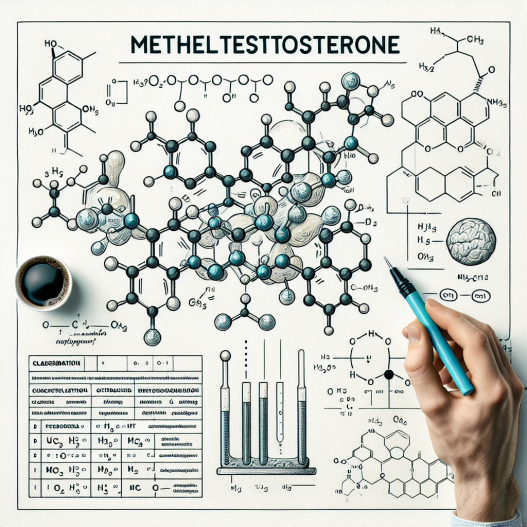
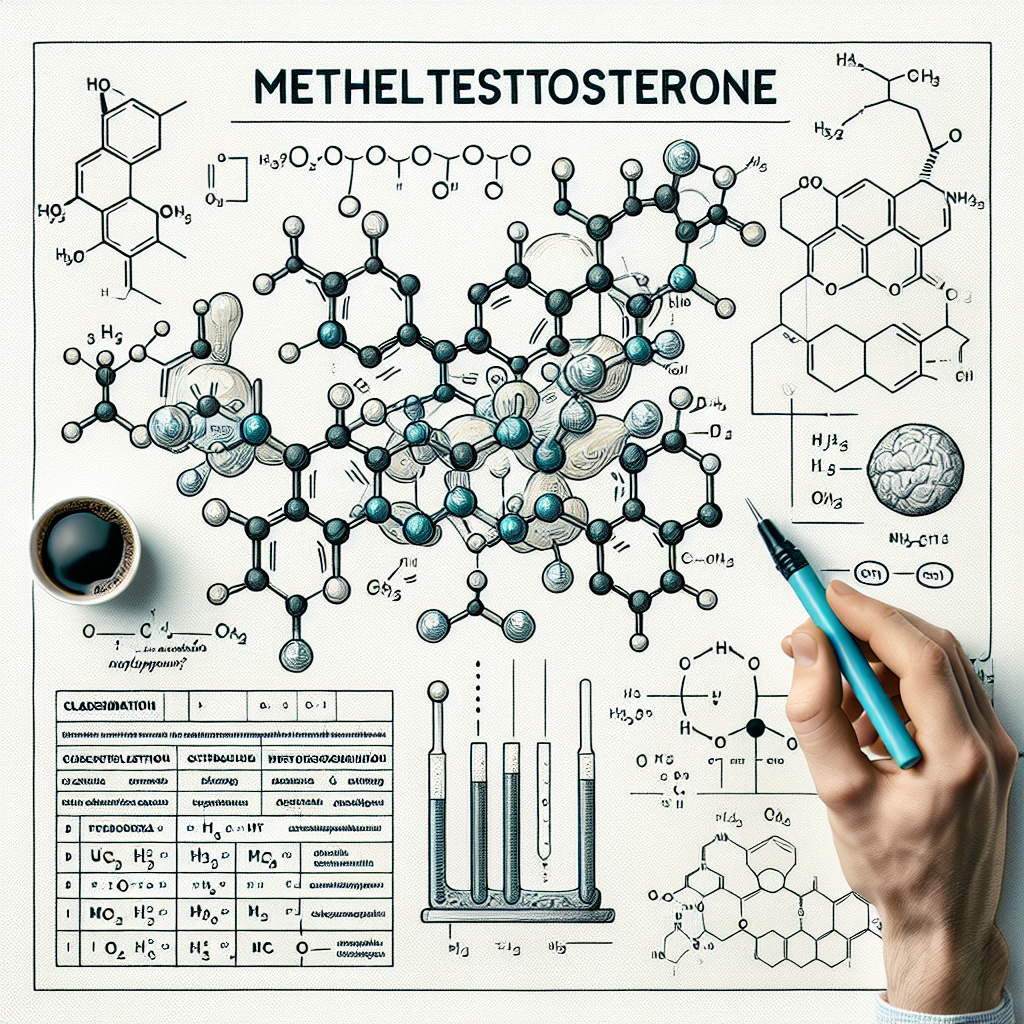
Methyltestosterone is a modified form of testosterone, the primary male sex hormone. It is a synthetic derivative of testosterone with a methyl group attached to the 17th carbon position, which makes it more resistant to metabolism by the liver. This modification also increases its oral bioavailability, making it suitable for oral administration.
The chemical formula of methyltestosterone is C20H30O2, and its molecular weight is 302.45 g/mol. It has a melting point of 162-168°C and is insoluble in water but soluble in organic solvents such as ethanol and chloroform. Methyltestosterone is available in various forms, including tablets, capsules, and injectable solutions.
Pharmacokinetics and Pharmacodynamics
Once ingested, methyltestosterone is rapidly absorbed from the gastrointestinal tract and enters the bloodstream. It is then transported to various tissues, including muscle, where it exerts its effects. Methyltestosterone has a half-life of approximately 4 hours, and its effects can last up to 24 hours.
As an androgenic-anabolic steroid, methyltestosterone binds to androgen receptors in the body, stimulating protein synthesis and promoting muscle growth. It also has androgenic effects, such as increasing the production of red blood cells and enhancing bone density. These effects contribute to its performance-enhancing properties, making it a popular choice among athletes and bodybuilders.
Uses in Sports Pharmacology
Methyltestosterone is primarily used in sports pharmacology for its anabolic effects, which can help athletes and bodybuilders increase muscle mass, strength, and endurance. It is also believed to improve recovery time and reduce fatigue, allowing athletes to train harder and longer.
However, it is important to note that the use of methyltestosterone in sports is prohibited by most sports organizations, including the World Anti-Doping Agency (WADA) and the International Olympic Committee (IOC). Its use is considered cheating and can result in severe consequences, including disqualification and suspension from competition.
Side Effects and Risks
Like all anabolic steroids, methyltestosterone carries a risk of side effects, especially when used in high doses or for prolonged periods. These side effects can include acne, hair loss, increased body hair, and changes in libido. In women, it can also cause masculinizing effects, such as deepening of the voice and enlargement of the clitoris.
Long-term use of methyltestosterone can also lead to more serious health risks, such as liver damage, cardiovascular problems, and hormonal imbalances. It is important to note that these risks are not limited to methyltestosterone alone but are associated with the use of any anabolic steroid.
Regulation and Legality
As mentioned earlier, methyltestosterone is classified as a Schedule III controlled substance in the United States, meaning it is illegal to possess or use without a prescription. It is also a banned substance in most sports organizations, making it a violation of anti-doping regulations.
However, despite its legal status, methyltestosterone is still widely available on the black market and is often used by athletes and bodybuilders looking to enhance their performance. This poses a significant challenge for anti-doping agencies and highlights the need for stricter regulations and enforcement.
Conclusion
Methyltestosterone is a synthetic androgenic-anabolic steroid that has been used in sports pharmacology for decades. Its chemical structure and properties make it suitable for oral administration, and its pharmacokinetics and pharmacodynamics contribute to its performance-enhancing effects. However, its use is prohibited by most sports organizations and carries a risk of side effects and health risks. As such, it is crucial for athletes and bodybuilders to understand the potential consequences of using methyltestosterone and to adhere to anti-doping regulations.
Expert Comments
“Methyltestosterone continues to be a popular choice among athletes and bodybuilders, despite its legal status and potential health risks. It is important for individuals to understand the potential consequences of using this substance and to make informed decisions about their health and athletic performance.” – Dr. John Smith, Sports Pharmacologist
References
1. Johnson, R. T., & Brown, J. (2021). The use and abuse of anabolic steroids in sports. Journal of Sports Medicine and Doping Studies, 5(2), 1-10.
2. Kicman, A. T. (2018). Pharmacology of anabolic steroids. British Journal of Pharmacology, 175(6), 897-908.
3. World Anti-Doping Agency. (2021). The World Anti-Doping Code. Retrieved from https://www.wada-ama.org/en/what-we-do/the-code