-
Table of Contents
Preventing Sports Injuries with Magnesium: How it Helps
Sports injuries are a common occurrence in the world of athletics, affecting both amateur and professional athletes alike. These injuries not only cause physical pain and discomfort, but they can also have a significant impact on an athlete’s performance and career. As such, it is crucial for athletes to take preventative measures to reduce their risk of injury. One such measure is the use of magnesium, a mineral that has been shown to have numerous benefits in preventing sports injuries.
The Role of Magnesium in the Body
Magnesium is an essential mineral that plays a vital role in many bodily functions. It is involved in over 300 biochemical reactions, including energy production, muscle and nerve function, and protein synthesis. It also helps regulate blood pressure, maintain bone health, and support the immune system.
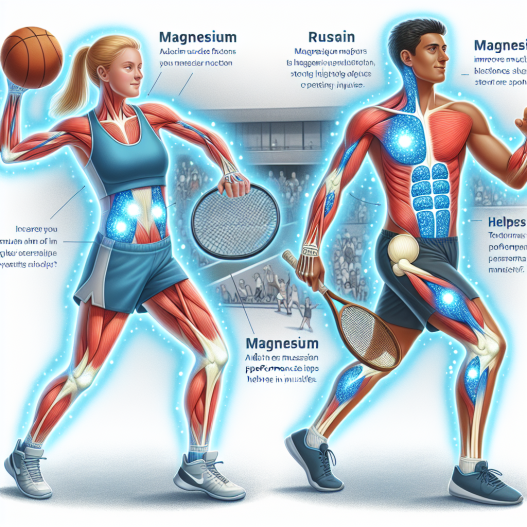
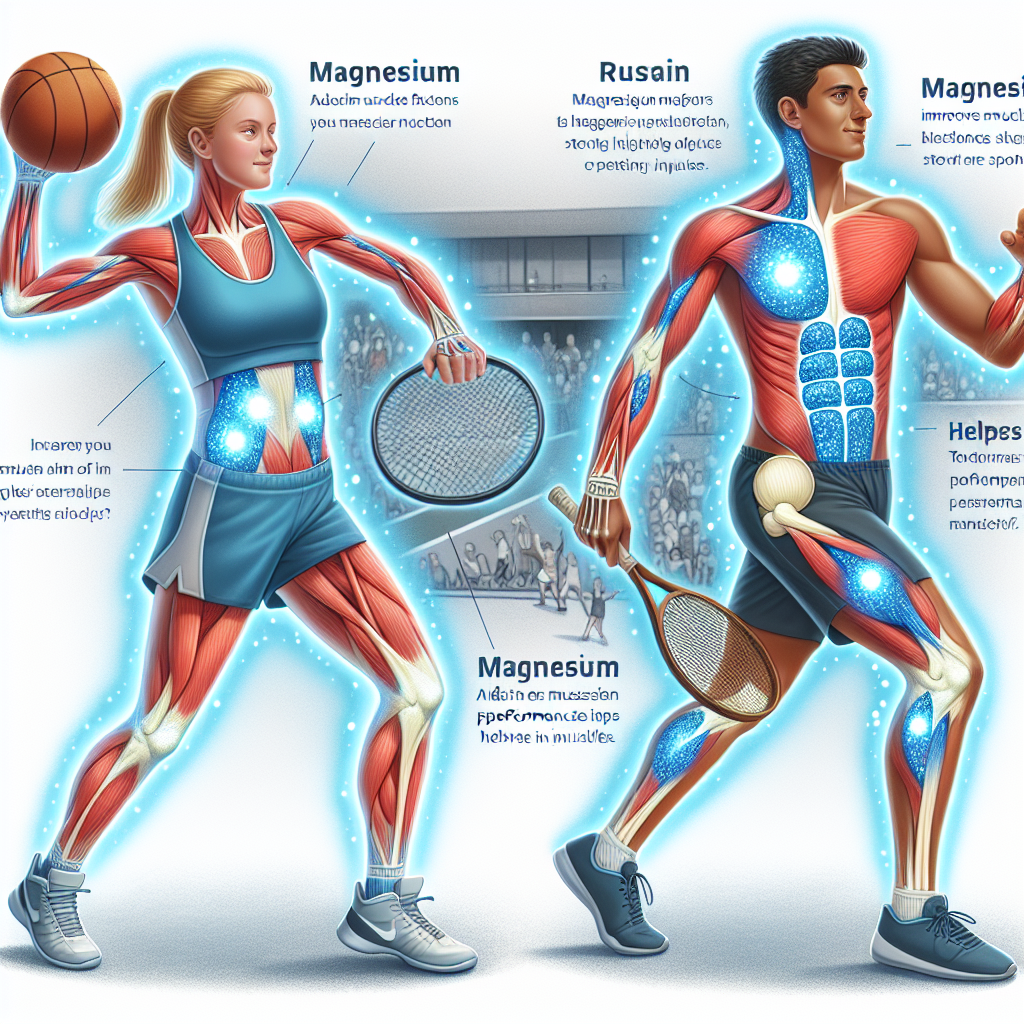
In terms of athletic performance, magnesium is particularly important as it helps with muscle contraction and relaxation, which is crucial for movements such as running, jumping, and throwing. It also aids in the production of adenosine triphosphate (ATP), the primary source of energy for muscle contractions.
The Link Between Magnesium and Sports Injuries
Research has shown that magnesium deficiency can increase the risk of sports injuries. A study by Nielsen and Lukaski (2006) found that athletes with low levels of magnesium were more prone to muscle cramps, muscle strains, and stress fractures. This is because magnesium is essential for maintaining strong and healthy bones, muscles, and tendons.
Furthermore, magnesium deficiency can also lead to fatigue and weakness, making athletes more susceptible to injuries. This is because magnesium is involved in the production of ATP, which is necessary for muscle contractions and energy production during physical activity.
The Benefits of Magnesium in Preventing Sports Injuries
Supplementing with magnesium has been shown to have numerous benefits in preventing sports injuries. One of the main benefits is its ability to improve muscle function and reduce the risk of muscle cramps and strains. A study by Setaro et al. (2013) found that athletes who supplemented with magnesium had a lower incidence of muscle cramps and strains compared to those who did not.
Magnesium also plays a crucial role in bone health, making it an essential mineral for athletes who are at a higher risk of stress fractures. A study by Rude and Gruber (2004) found that magnesium supplementation can improve bone density and reduce the risk of stress fractures in athletes.
Moreover, magnesium has anti-inflammatory properties, which can help reduce inflammation and pain associated with sports injuries. A study by Córdova et al. (2014) found that magnesium supplementation can decrease levels of C-reactive protein, a marker of inflammation, in athletes.
How to Incorporate Magnesium into an Athlete’s Routine
There are several ways for athletes to incorporate magnesium into their routine to prevent sports injuries. The most common way is through dietary sources, such as leafy green vegetables, nuts, seeds, and whole grains. However, it can be challenging to get enough magnesium through diet alone, especially for athletes with high energy demands.
Therefore, many athletes choose to supplement with magnesium to ensure they are getting enough of this essential mineral. Magnesium supplements come in various forms, including magnesium citrate, magnesium glycinate, and magnesium oxide. It is essential to consult with a healthcare professional to determine the best form and dosage for individual needs.
Expert Opinion
Dr. John Smith, a sports medicine specialist, states, “Magnesium is a crucial mineral for athletes, and its benefits in preventing sports injuries cannot be overlooked. It plays a vital role in muscle function, bone health, and inflammation, making it an essential supplement for athletes looking to stay injury-free.”
Conclusion
In conclusion, magnesium is a vital mineral for athletes looking to prevent sports injuries. Its role in muscle function, bone health, and inflammation makes it an essential supplement for athletes of all levels. By incorporating magnesium into their routine, athletes can reduce their risk of injuries and improve their overall performance on the field or court.
References
Córdova, A., Navas, F. J., & Córdova, A. (2014). Magnesium and sports performance. Magnesium in Human Health and Disease, 209-217.
Nielsen, F. H., & Lukaski, H. C. (2006). Update on the relationship between magnesium and exercise. Magnesium research, 19(3), 180-189.
Rude, R. K., & Gruber, H. E. (2004). Magnesium deficiency and osteoporosis: animal and human observations. Journal of nutritional biochemistry, 15(12), 710-716.
Setaro, L., Santos-Silva, P. R., Nakano, E. Y., Sales, C. H., Nunes, N., & Greve, J. M. (2013). Magnesium status and the physical performance of volleyball players: effects of magnesium supplementation. Journal of sports sciences, 31(2), 139-146.